
The unseen foundations of healthy relationships
A significant part of our lives unfolds through relationships. We try to understand them, sometimes struggle with them, and often wonder why certain patterns keep repeating. Yet relationships remain at the heart of how we learn about ourselves, others, and life itself.
Some people briefly cross our path, while others become long-term companions. Whether at work or in our personal lives, understanding the dynamics that shape relationships helps us build stronger, healthier, and more sustainable connections.
Healthy Relationships Allow Us to Be Ourselves
Each of us carries a unique life story, shaped by different experiences, values, fears, and expectations.
Relationships built on acceptance tend to be the most enduring. When we feel seen and respected for who we are, trust grows naturally. While criticism is easy, genuine curiosity and respect for another person’s perspective create a healthier and more constructive relationship space.
Trust Is Lost Through What Remains Unspoken
Psychological safety is the foundation of every strong relationship.
It is the confidence that we can express ourselves, make mistakes, or hold a different opinion without fear of rejection or judgment. When concerns, frustrations, or feelings remain unspoken, they rarely disappear; they simply wait for another moment to surface.
Healthy relationships require open conversations. Questions can only be answered when they are asked, and challenges can only be addressed when they are discussed. Silence often creates distance rather than resolution.
Relationships Grow Through Consistent Effort
Relationships are strengthened not only by good intentions but by everyday actions.
Listening, making time, keeping commitments, and showing up when someone needs support are the quiet investments that deepen connection over time.
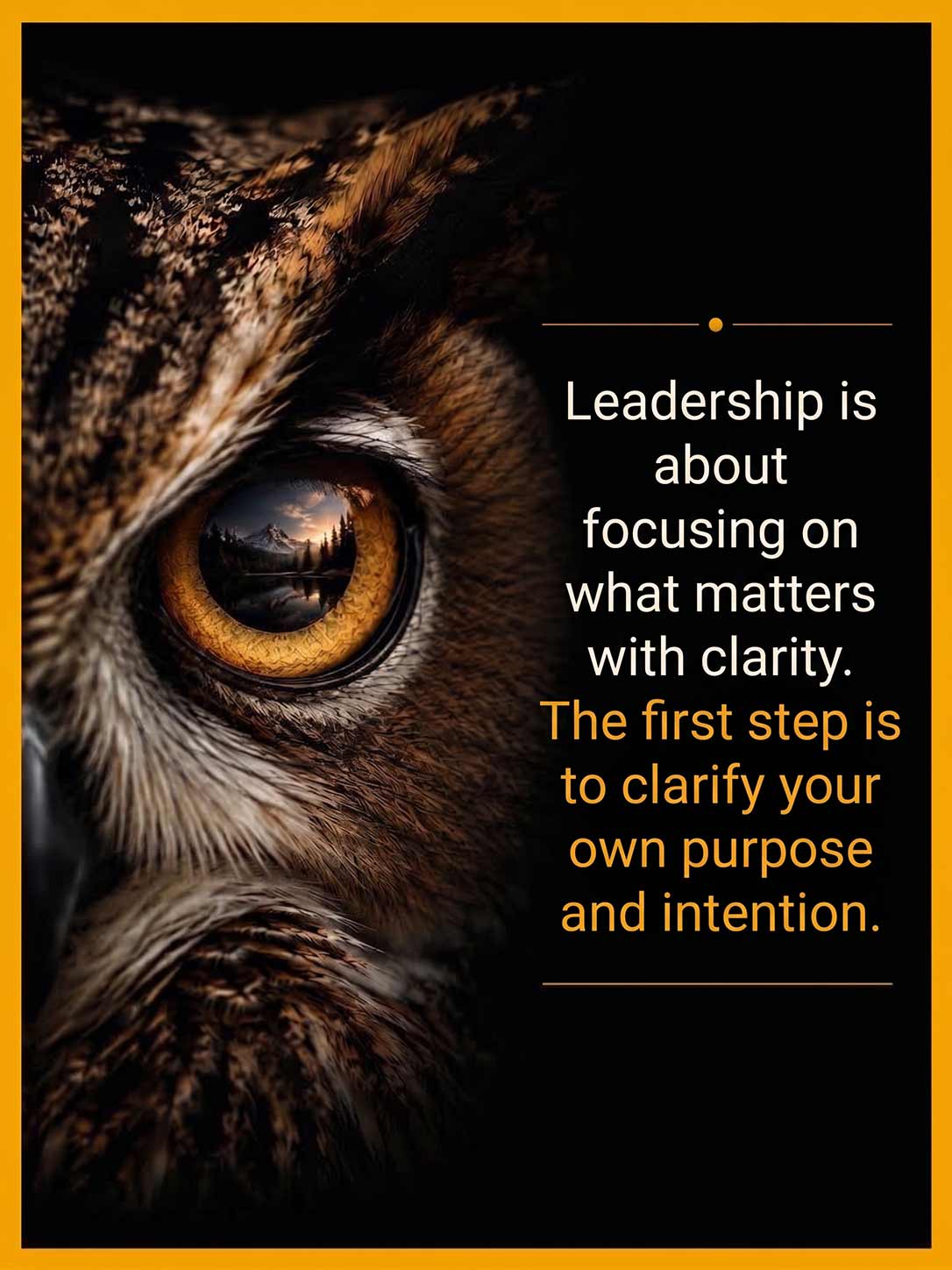
People often remember less about what we said and more about how we made them feel. Leadership, in many ways, is the ability to build meaningful relationships. Strong teams are built not only on competence, but also on trust and care.
The Four Horsemen of Relationships
Relationship researcher John Gottman identifies four behaviours that gradually damage relationships: criticism, defensiveness, stonewalling, and contempt.
These patterns can be just as harmful in organisations as they are in personal relationships. Blaming, avoiding responsibility, communicating through sarcasm, or withdrawing from difficult conversations slowly erode trust and collaboration.
Protecting the intention to solve rather than win is a shared responsibility.
Making Space for Emotions
Some of the most meaningful moments in relationships occur when emotions can be expressed, heard, and acknowledged.
We do not need to feel exactly the same way as another person to understand them. What matters is creating space for emotions to exist.
When joy, pride, disappointment, sadness, or excitement can be shared openly, relationships deepen and become more resilient.
The Fine Line Between Closeness and Boundaries
The healthiest relationships balance connection with respect for individual boundaries.
Respecting another person’s time, priorities, interests, and personal space allows relationships to remain sustainable over time.
In both professional and personal relationships, difficulties often arise when boundaries become blurred. Healthy relationships are not about becoming one person; they are about two individuals growing alongside one another while maintaining their own identity.
Sometimes the Healthiest Choice Is to Let Go
We naturally hope that meaningful relationships will last forever. Yet life changes. People grow in different directions, priorities shift, and some relationships no longer bring the sense of connection they once did.
Knowing when to let go can be an act of wisdom and maturity.
Not every relationship is meant to last forever. Yet every relationship teaches us something valuable about ourselves. Sometimes the healthiest choice is not to hold on more tightly, but to acknowledge what has been learned and continue the journey with gratitude.
Six Questions for Reflection
Consider a relationship that matters to you and reflect on the following questions:
- Am I genuinely willing to understand the other person’s story?
- Am I aware of my judgments and communicating with openness?
- Do I create space for emotions?
- Is our communication free from unnecessary toxicity?
- Do both of us have healthy boundaries and personal space?
- Do I truly want to continue investing in this relationship?
Perhaps strong relationships begin not with changing others, but with asking ourselves these questions first.