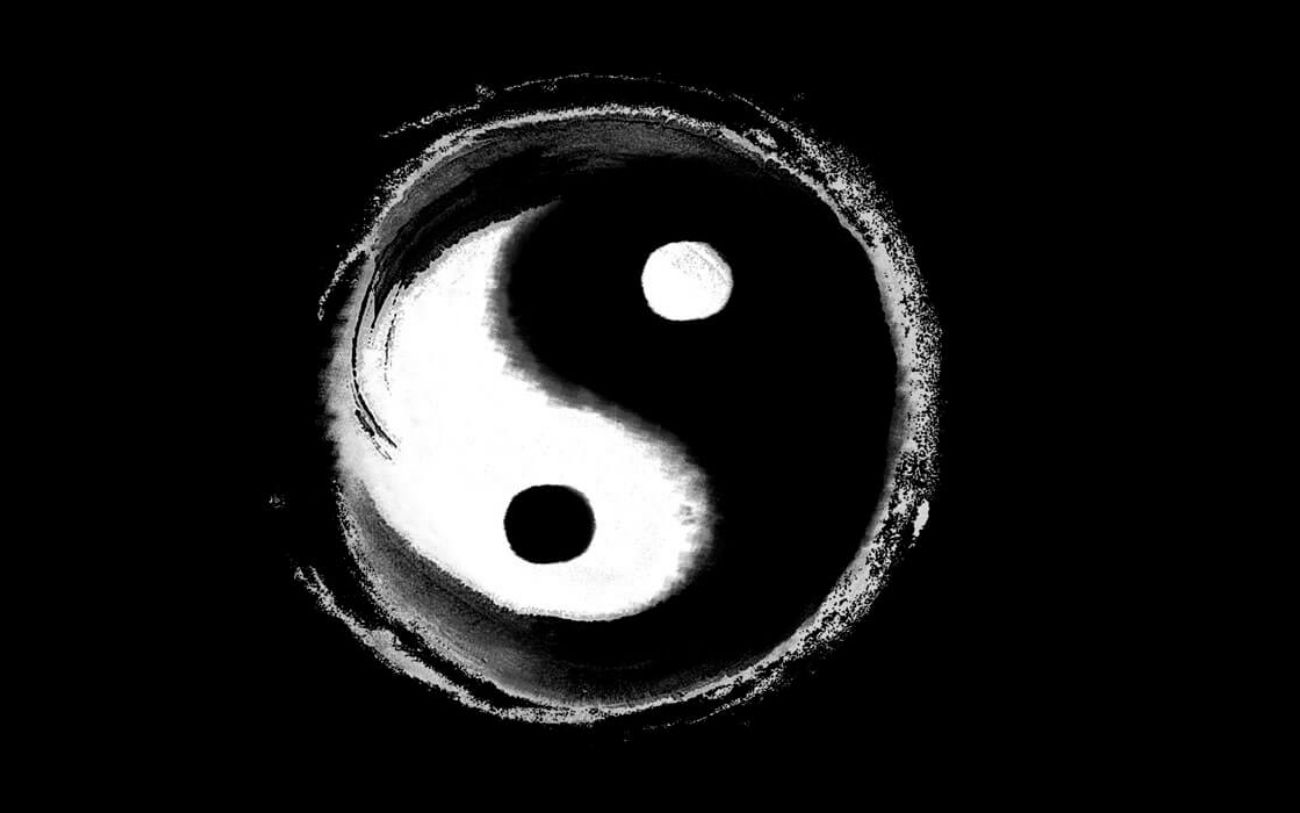
For a long time, the word polarity meant opposition to me.
A sense of conflict.
A forced choice between two sides.
And often, the tension of feeling that whatever I chose, I would be denying the other.
In my mid-thirties, as I began reflecting more deeply on myself, I started to see something different.
Opposites were not only in conflict.
They were also holding meaning.
The Hidden Wholeness Within
One of the books that opened this perspective for me was The Dark Side of the Light Chasers.
It gently revealed how, early in life, we internalize judgments that shape what we consider acceptable or “good” about ourselves—and what we push away as “bad.”
Over time, these rejected parts do not disappear.
They become inner voices.
Often harsh.
Often unconscious.
The Piano of Human Potential
A deeper shift came during my studies in Gestalt with Nita Scherler.
She once used a metaphor I still remember clearly:
We are like a piano with 88 keys.
Each key represents a different human quality, capacity, or emotional tone.
Our full potential lies in being able to play all of them.
Yet through family, culture, and education—the “social software” we grow up in—we are taught that some keys are acceptable, and others are not.
So we begin to prefer certain parts of ourselves.
And reject others.
The “fast” self versus the “slow” self.
The “strong” self versus the “vulnerable” self.
The “selfless” self versus the “self-protective” self.
And yet, wholeness lives in the ability to include both.
The Psychology of the Shadow
Carl Jung described this dynamic through the concept of the shadow.
The shadow is not something external.
It is everything we disown within ourselves—hidden, suppressed, or exaggerated parts of who we are.
As children, we express ourselves freely.
We cry when we are sad.
We shout when we are angry.
We celebrate joy without restraint.
But as we grow, we learn which expressions are “acceptable.”
And the rest is pushed away.
What We Reject, We Eventually Meet
Ironically, the parts we try hardest to avoid often return through our relationships.
People who irritate us.
Situations we resist.
Emotional reactions we struggle to understand.
These moments often point directly toward our own unintegrated parts.
The more we push something away, the more life brings it back to us.
Until we are willing to acknowledge it.
Making Peace With Both Sides
Over time, I have learned that healing is not about choosing one side of ourselves over another.
It is about making space for both.
Allowing myself to slow down when needed, without calling it weakness.
Allowing myself to set boundaries, without labeling it selfishness.
Allowing myself to feel vulnerable, without trying to fix it immediately.
The Freedom of Wholeness
When we begin to move across all our inner “keys,” something changes.
We become more flexible.
More aware.
More alive to nuance.
Even though the unknown can feel uncomfortable, there is also curiosity pulling us forward.
Because every unplayed part of ourselves holds a new possibility.
Integration Is Not a Final State
Working with our polarities is not a one-time achievement.
It is an ongoing process.
Each moment of awareness brings a new balance.
And each new balance eventually reveals another tension.
But instead of seeing this as a problem, we can begin to see it as life unfolding.
A continuous invitation to become more whole.