This time, our conversation followed not the traces of a book, but the traces of being human.
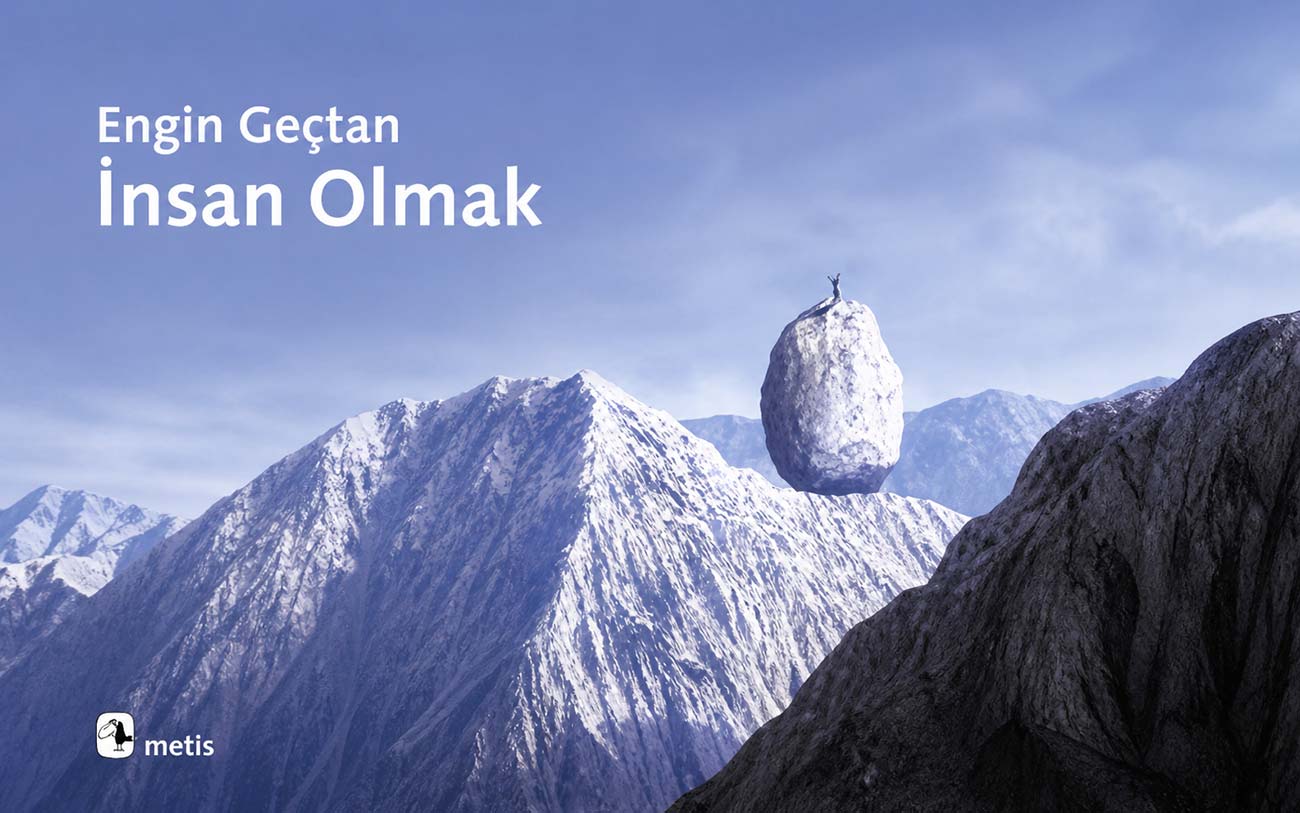
A book first published in 1983, now in its 31st edition, with not a single word changed: Being Human.
Rather than losing relevance over the years, its insights seem to have gained even greater meaning with time.
Once again, a book brought a group of people together.
Yet what we truly spoke about was not a book at all.
It was the human experience.
The One Thing That Doesn’t Change: Being Human
The notion of being human is profound and layered with meaning.
Times change, but the inner world of human beings changes far less than we imagine.
We are wounded in similar places.
We live with similar questions.
And ultimately, we are searching for the same thing:
Ourselves.
Human beings are remarkably rich and complex creatures.
Both light and darkness belong to us.
Throughout life, we can choose to blame others, remain trapped in the role of the victim, or complain endlessly.
Or we can choose healing.
As one participant beautifully expressed:
“No matter what happens, no matter how many difficulties we encounter, this is a book that reminds us of the depth and beauty of being human.”
And perhaps the most striking realization was this:
We are both profoundly unique and not unique at all.
Viruses and Programming
A child enters life much like a pure operating system.
Falling.
Getting back up.
Trying again.
Growing.
Learning.
Then, somewhere along the way, something changes.
Falling becomes “failure.”
Family, society, and culture gradually begin installing their own codes.
Among these codes, perhaps the saddest are the moments when feelings of unworthiness and lack of love become embedded within us.
Yet it is precisely in the moments when we are accepted as we are that our authentic humanity comes alive.
As we grow, various “viruses” enter the system from different sources.
And little by little, we drift away from ourselves.
Fortunately, if we are willing enough and conscious enough, another journey begins:
The journey of remembering who we truly are.
And despite all its challenges, transformation begins the moment we become aware of what has happened to us.
In many ways, human development is a process of individuation.
The shift from a victim mindset to becoming an individual capable of making conscious choices begins when we stop asking:
“Why did this happen to me?”
and start asking:
“What do I choose now, and who do I choose to become?”
That is where life begins to change.
The Power of Silence
One of the book’s most striking observations concerns silence and the fertile space it creates.
Silence is not emptiness.
It is a source of awareness, discovery, and possibility.
At times, our impulse to fill every silence with words prevents something new from emerging.
Because within silence we encounter:
Our genuine thoughts
Our suppressed emotions
The truths we have been avoiding
Perhaps that is why we choose constant stimulation.
We talk.
We watch.
We stay busy.
But maybe our most authentic encounters begin in the moments of silence we allow ourselves to enter.
Human Beings Emerge Through Other Human Beings
Some people see life as little more than a process of consuming time.
After all, life ends in death.
But while living so focused on outcomes, what parts of the journey might we be missing?
At times, some of us retreat to our private islands and distance ourselves from society.
Others adapt completely to the codes of the communities they belong to, believing this is the safest path.
Yet perhaps both experiences have something to teach us.
In a sense, we discover ourselves not only in solitude, but also in relationship.
Through another person, we begin to see:
Where we are wounded
Where we remain silent
Where we abandon our true selves
This is why people reading the same book are, in a way, reading one another as well.
To Be Human Is to Take Responsibility
Being human begins when we stop pointing the arrows outward and turn them toward ourselves.
Constantly talking about ideas, theories, and other people can become a subtle form of escape.
Although Engin Geçtan left us in 2018, the legacy he left behind remains deeply alive.
A lifetime devoted to understanding human beings continues to offer valuable insights for those willing to look.
And just as he described, lives that contribute to others and create value beyond themselves often bring with them a deeper sense of fulfillment and meaning.
Life may come to an end.
But connections endure.
Relationships remain.
Every encounter, every story offers another opportunity to understand ourselves, and thus to understand what it means to be human.