This series left us with the feeling that just as the story seemed to be ending, something new was beginning.
Certain scenes lingered long after we finished watching. They returned unexpectedly throughout our days, carrying a significance that seemed to extend beyond the moment itself. A line of dialogue, a fleeting expression, or a simple gesture would resurface and invite us to look again.
And I say we because, as a group of viewers, that was the shared feeling.
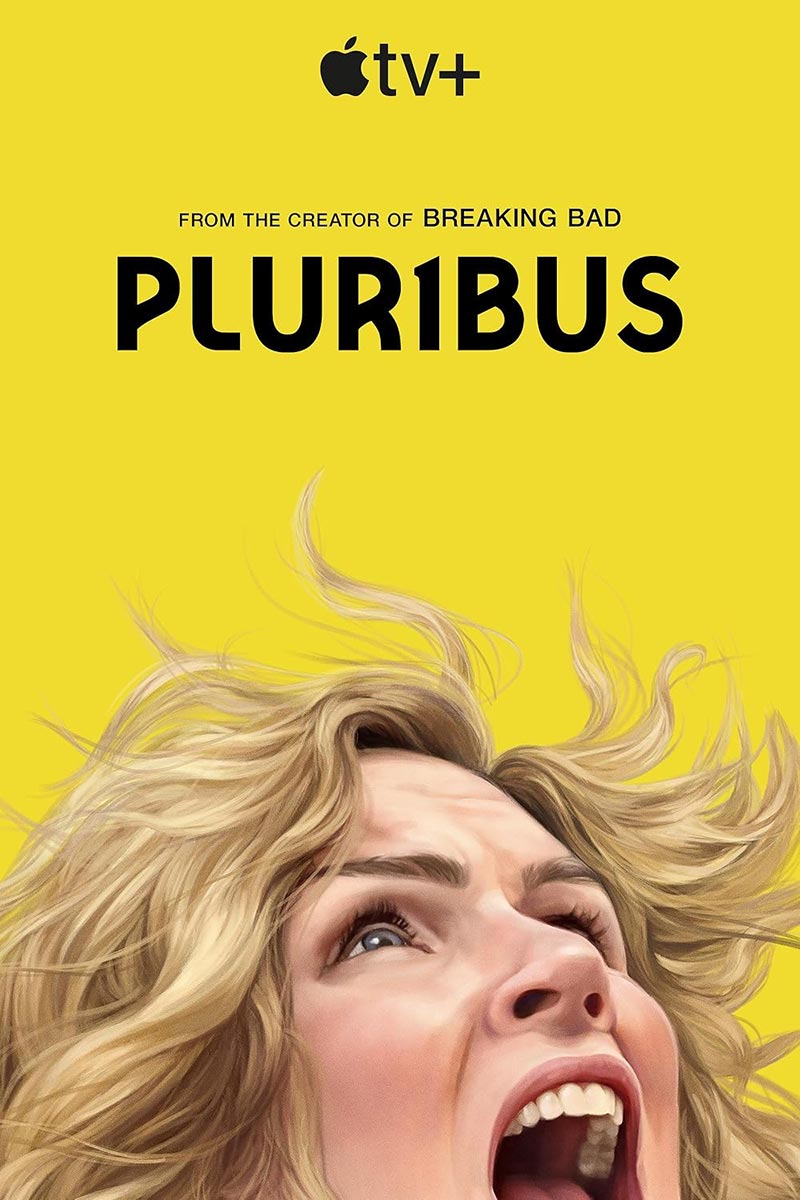
Indeed, during the second session of Between the Lines Gatherings, where we discussed Pluribus, we became certain of it.
Our purpose was not so much to analyze the series as it was to share the ways it resonated within each of us.
As always, we began by emphasizing that this gathering was not a training, a workshop, or a space dedicated to finding the “right” answer.
The Same Story, Different Realities
Yes, there was a single narrative before us.
Yet each of us encountered it differently.
The writer had carefully woven every detail of the story.
Even though we knew it would become a series journey that might span years, the very first season had already given us such rich material that every part of the conversation continued to open new and unexpected doors.
Multiple realities emerged around the table.
For some of us, the world of the series felt threatening.
For others, almost peaceful.
Some saw control.
Others saw surrender.
Some felt that “something was missing.”
Others wondered if perhaps there was already too much.
And once again, we realized that the meanings we draw can differ profoundly.
The way we look at the world through our unique lenses reveals itself even in the interpretation of a television series.
In a sense, we are always watching the version of the story that touches something within us.
Being Unhappy When Everyone Else Is Happy
One of the central questions of the series was this:
What does it mean to be unhappy in a world where everyone else is happy?
The question turns our usual understanding upside down.
Instead of searching for happiness in a world filled with suffering and conflict, it asks whether unhappiness could still exist in a world where happiness has become the norm.
Yet there is something unsettling about the series’ seemingly ideal world.
We found ourselves asking:
Is something truly wrong beneath the surface of a world where everything appears fine?
Or are we simply conditioned to be suspicious?
The Right to Choose or the Pursuit of Perfection?
At first glance, the world portrayed in the series appears perfect:
- No conflict
- No lies
- No harm
- Complete harmony
But looking more closely, something invisible begins to emerge:
There is no choice.
No one objects.
No one experiments with a different path.
No one says, “I don’t want this.”
Or perhaps no one can.
At that point, another question becomes unavoidable:
Which is more valuable: a perfect system, or the freedom to choose despite its imperfections?
And as we explored the idea of free will, another question surfaced:
In today’s world, surrounded by algorithms, advertisements, and constant messaging, can we still truly speak of free will?
Can Good Exist Without Evil?
This was one of the moments that challenged us most deeply.
We often dream of a world without evil.
But if evil disappeared entirely…
Would goodness still carry the same meaning?
We experience life through contrasts.
Satisfaction after hunger.
Relief after pain.
Calm after anger.
If darkness vanished and the whole world were illuminated, where would the sense of joy, achievement, or fulfillment come from?
Or perhaps our hesitation toward this beautiful utopia comes from our habit of believing that happiness and goodness must be difficult to attain.
Another question worth contemplating.
Maybe it is time to turn some of our familiar assumptions upside down.
The Source of Meaning
In this promised land of happiness, everything exists:
Peace.
Safety.
Acceptance.
And yet something still feels absent:
Meaning.
Which brings us to another question:
Does meaning arise when it is given to us, or only through the act of searching?
Perhaps depth begins to disappear in a place where everything has already been provided.
An Experience That Isn’t Real
In one scene, the past is reconstructed.
The same people.
The same setting.
The same moment.
A brief sense of happiness emerges.
Then comes an awareness:
“But this isn’t real.”
And in that instant, the illusion dissolves.
Because human beings do not merely want to feel good.
They want to be in contact with what is real.
Years later, when we revisit a place we once loved, the memories it evokes still matter.
Sitting at the same table.
Seeing the owner who has grown older.
Feeling time itself.
Those moments retain their value because they connect us to something authentic.
But how can an artificial reality bring lasting happiness when we know it is not real?
Is Collective Consciousness an Illusion?
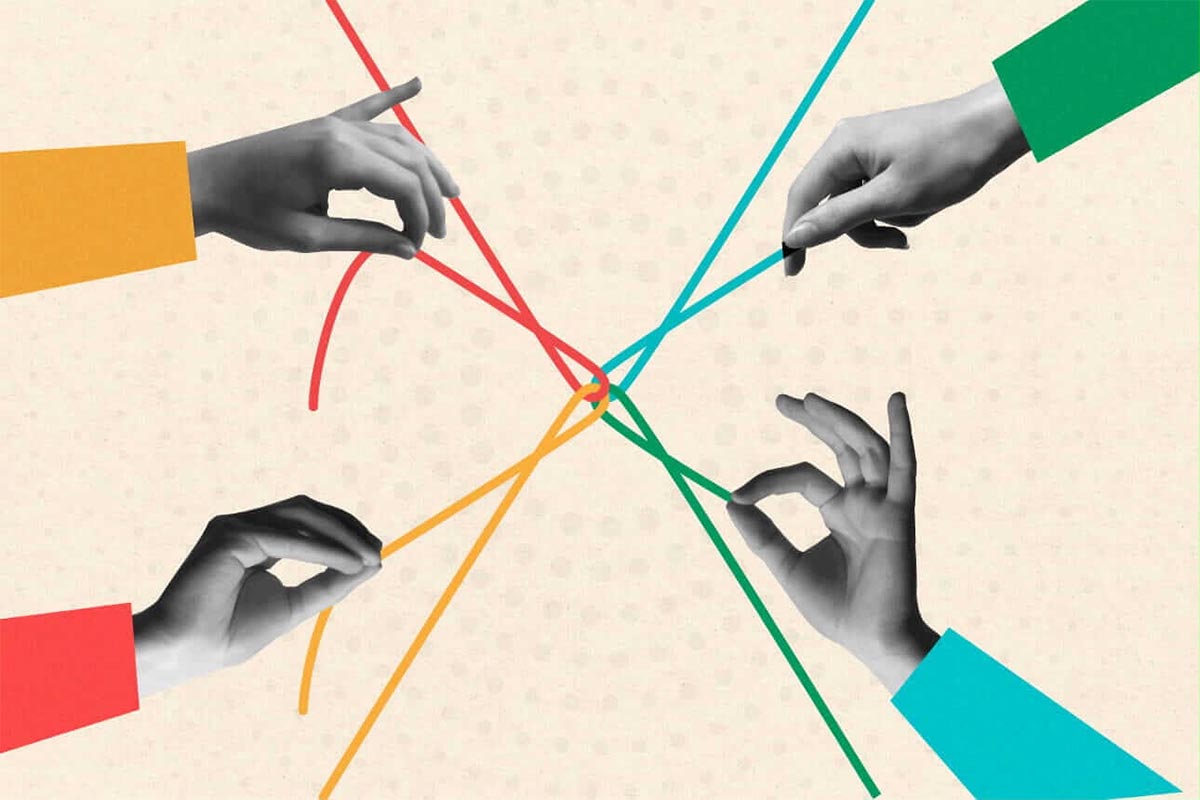
What do we truly mean when we speak of unity?
Is it a place where everyone becomes the same?
Or is it a space where each person remains uniquely themselves while still staying connected to others?
And if unity could be achieved through something as simple as a virus, what would become of life’s challenges, our efforts to grow, and the journey of becoming human?
If it were that easy, what value would remain in the journey itself?
In Place of a Conclusion
We did not leave with conclusions we were one hundred percent certain about.
Quite the opposite.
What remained was the pleasure of reflecting, of going deeper, of uncovering new layers.
The joy of becoming richer through questions that illuminate the mind.
While discussing a television series, we were, in truth, reading ourselves once again.
And perhaps the most beautiful part of all was experiencing that journey together.