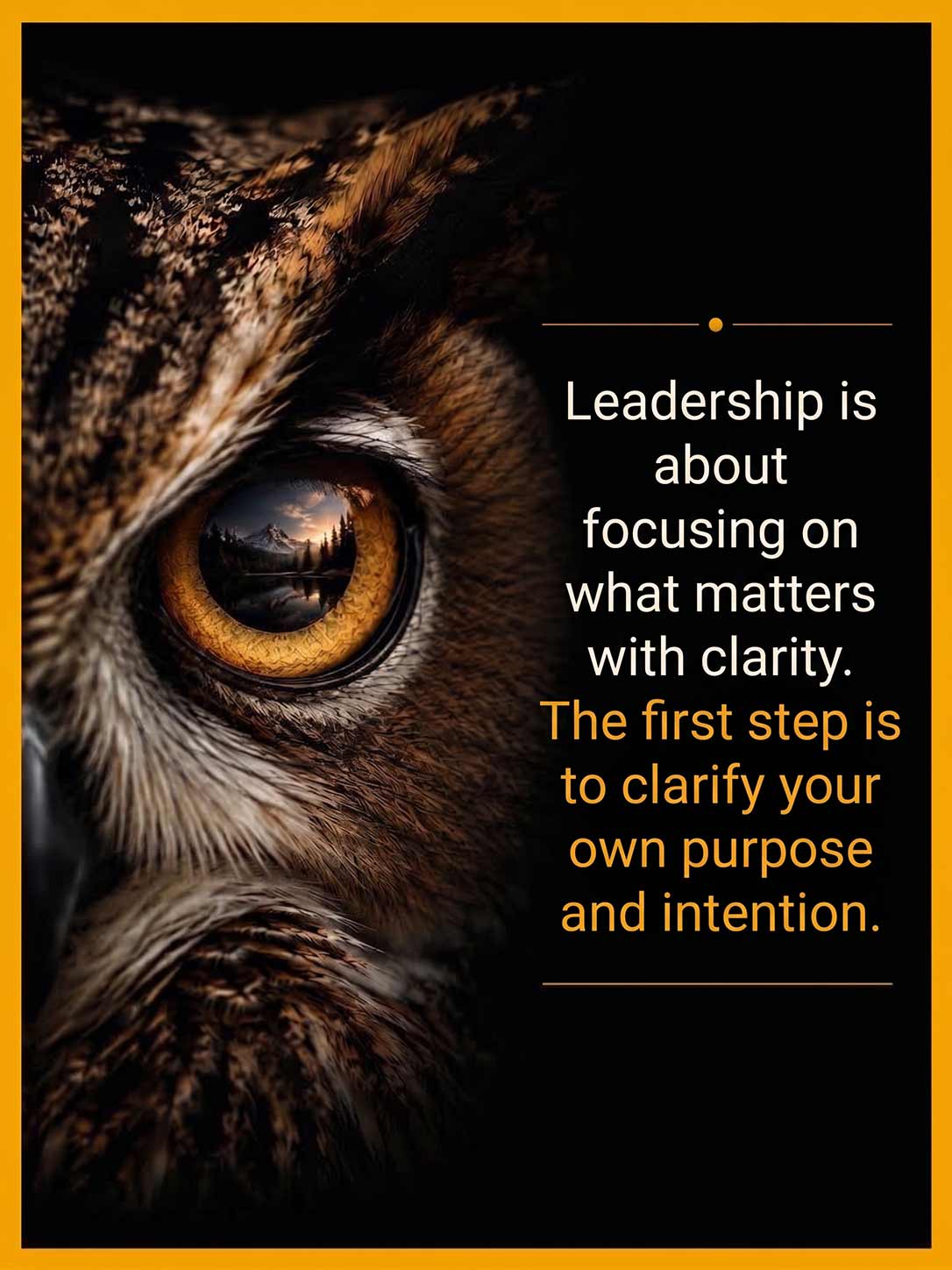

Silence as a Leadership Strength
For many years, leadership was often associated with those who made their voices heard more frequently and more loudly. Being visible, speaking quickly, giving direction, and generating answers were accepted as natural parts of leadership. However, in recent years, a concept that is increasingly being discussed invites us to rethink this perception: Silent leadership.
Silent leadership is not about staying in the background or being passive. On the contrary, it is the ability to use silence as a deliberate tool. Silent leaders consciously decide when to speak and when to remain silent. This conscious choice amplifies the impact of what they say — because instead of talking constantly, they speak when they truly have something to say. And this makes their message stronger, more impactful, and more meaningful.
Silence and Leadership: A Misunderstood Strength
Silence is often paired with introversion and seen as a disadvantage in leadership. Yet research suggests the opposite. A study published in the Harvard Business Review found that introverted leaders, particularly when working with proactive teams, can achieve up to 28% higher productivity compared to extroverted leaders.
This finding shows that leadership effectiveness stems not from visibility alone, but from how energy is directed.
Similarly, studies published in Psychology Today highlight that silent leaders tend to amplify others’ contributions rather than dominating discussions. These leaders share conversational space, allow different voices to be heard, and thereby activate collective intelligence.
What Makes Silent Leaders Different?
Silent leadership manifests through specific behavioral patterns. Active listening comes first. Silent leaders see listening not as a waiting state, but as an active process of understanding. They listen without interrupting, without mentally preparing their response, and with a genuine desire to understand.
Another key characteristic is opening space rather than controlling. Instead of giving directives, they ask questions. They involve team members in decision-making processes, encouraging them to think, contribute, and take ownership.
Silent leaders also possess strong emotional awareness. They notice not only their own emotions, but also the emotional states of others on the team. This awareness enables them to lead in a more balanced, more inclusive, and more trustworthy way.
This approach contributes to building psychological safety within the team. People feel free to express themselves, share their ideas more openly, and this creates a more creative and healthier work environment.
Silence Is Not Passivity
Silent leadership is not a passive stance. On the contrary, it requires a high level of awareness.
Silent leaders observe the environment, sense the dynamics, and wait for the right moment. Because they don’t feel the need to speak constantly, they succeed in capturing attention when they do speak — which amplifies their impact.
For these leaders, charisma comes not from visibility, but from the ability to create trust. They don’t need to constantly place themselves in the spotlight. Their influence shows itself not so much in the words they say, but in the sense of trust they create and the lasting impression they leave.
Socrates’ Triple Filter: The Foundation of Conscious Communication
The philosophy of silent leadership is actually rooted in very ancient wisdom. The triple filter proposed by Socrates still offers a powerful guide for effective communication today:
• Is what I’m about to say true?
• Is what I’m about to say useful?
• Is what I’m about to say constructive?
Leaving unsaid the many things that fail to pass through these three questions raises the quality of communication. This is precisely why silent leaders speak less but more effectively.
The Superpower of Silent Leaders: Regulating Emotions
Leadership is not just about making decisions — it is also about managing emotions. Especially in moments of uncertainty, stress, and crisis, the leader’s emotional state affects the entire system.
Silent leaders can pause before reacting. They can regulate their emotions and give more conscious responses. This approach supports calm, trust, and balance within the team.
This posture of the leader creates a powerful role model for the team. Over time, this approach becomes part of the team’s culture.
What the New World Needs: More Silent Leaders
Today’s business world is faster, more complex, and more intense than ever before. In this environment, leadership means not just responding quickly, but being able to ask the right questions.
Being able to listen deeply.
Being able to truly see.
Being able to understand.
And being able to stay silent when necessary.
Silence is not merely the absence of speech.
It is the space that allows for new words and meaningful responses to emerge.
Silence is awareness.
And most of the time, it is leadership in its most powerful form.
Perhaps the real question is this:
How much space do you allow for silence in your leadership?